
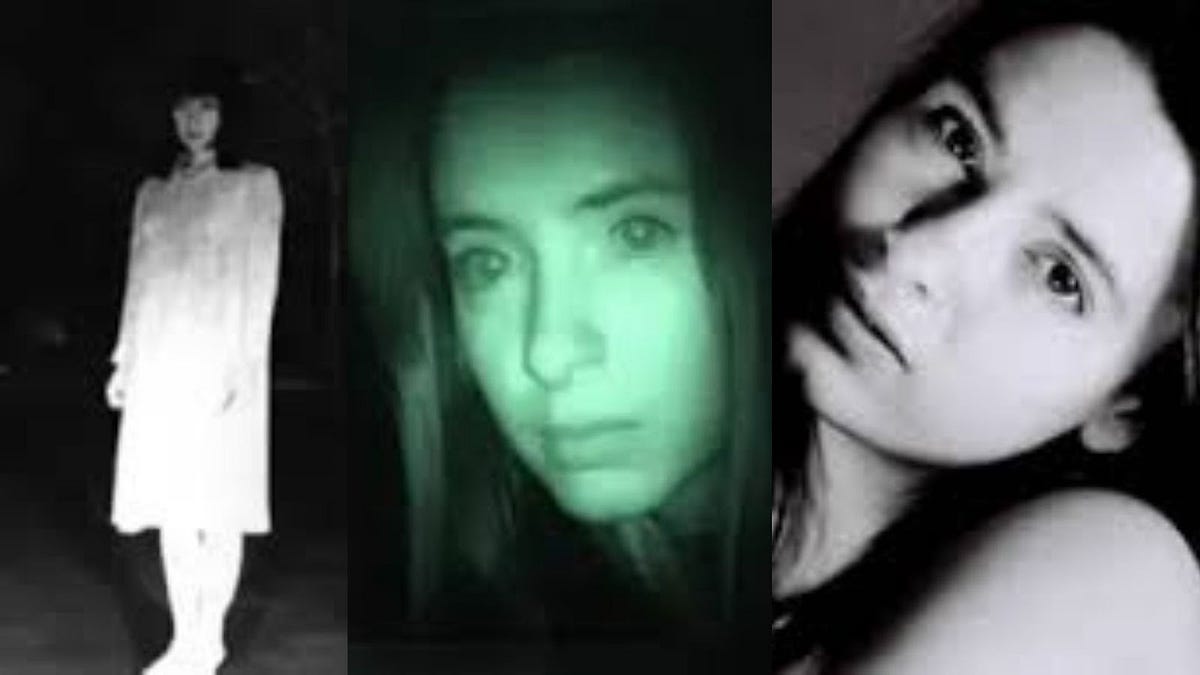
Teresa Fidalgo Is Real or Fake? The Full Truth, Story, and Viral Internet Mystery Explained
Teresa Fidalgo Is Real or Fake ? The internet is full of mysterious stories, but few have captured global attention like the chilling legend of Teresa Fidalgo. If you’ve ever received a WhatsApp message saying “If you don’t share this, she will appear in your room tonight”, or seen a Facebook post warning you about a ghost named Teresa, you may have wondered whether there is any truth behind the story.
Is Teresa Fidalgo real?
Is the viral video genuine?
Did the events shown actually happen?
Or is it just another internet hoax designed to scare people?
This 2,650-word detailed guide breaks down the entire Teresa Fidalgo phenomenon — the origin, the viral video, fact-checks, creator interviews, and why the story continues to spread even in 2025.
What Is the Teresa Fidalgo Story?
The legend of Teresa Fidalgo centers on a supposed ghost of a girl who died in a car accident in Portugal in 1983. According to the viral narrative, a group of young people were driving at night and picked up a female hitchhiker named Teresa. She remained silent until she pointed ahead and said:
“Look, that is where I died.”
Moments later, the car reportedly crashed, killing everyone except the man who claims to have recorded the video. The footage supposedly shows Teresa’s ghostly face right before the accident.
This story has circulated online since the early 2000s, especially through:
- WhatsApp forwards
- Facebook posts
- TikTok videos
- Instagram reels
- YouTube mashups
- Horror forums
The viral messages often come with a threat like:
“If you don’t share this with 20 people, Teresa will appear in your room tonight.”
This chain-letter style is one of the reasons the legend became so widely shared.
Where Did the Teresa Fidalgo Story Actually Come From?
To understand whether Teresa is real or fake, we need to go to the source.
The video most people see on social media comes from a Portuguese short horror film created in 2003 by filmmaker David Rebordão.
The film is titled:
“A Curva” (The Curve)
This short movie was intentionally made to look like a real found-footage recording — similar to movies like:
- The Blair Witch Project (1999)
- Cloverfield (2008)
- Paranormal Activity (2007)
Rebordão later confirmed in interviews that:
✔ The video was scripted
✔ The actors were real and alive
✔ The story was fictional
✔ The ghost Teresa Fidalgo never existed
But the internet took the film clips, removed the credits, and shared them as “real ghost footage,” which led to global confusion.
Is There Any Record of a Real Teresa Fidalgo Accident?
Many people claim that Teresa died in a real car crash in 1983. Some posts even show fake news articles or photos of “Teresa’s grave.”
However, thorough research by journalists, fact-checkers, and Portuguese authorities has confirmed:
There is no public record of:
- A girl named Teresa Fidalgo dying in 1983
- A car accident matching the video
- Any case involving a ghost hitchhiker named Teresa
- A surviving male named David or Tiago recording the incident
Local police databases from Portugal do not support the story.
Why Did People Believe It Was Real?
Several psychological and digital factors helped the Teresa legend spread.
1. Found Footage Looks Realistic
Because the video was filmed with handheld cameras and natural lighting, it feels authentic — like something captured accidentally.
Just like:
- Blair Witch
- Marble Hornets
- Lights Out
- The Smiling Man
found-footage horror tricks the brain into believing, “This could be real.”
2. Chain Messages Create Fear
The threatening messages that accompany the video use classic chain-letter psychology:
- Fear of consequences
- Urgency
- Superstition
- Peer pressure
Even if people don’t fully believe it, they share “just in case.”
3. Teenagers Share It the Most
Young people are the main drivers of viral horror myths. Teresa Fidalgo went viral at different times:
- 2004–2007: Forums and email
- 2010–2015: Facebook and YouTube
- 2020–2023: TikTok
- 2024–2025: WhatsApp, Instagram Reels
Every generation discovers it again.
4. The Name Sounds Real
“Teresa Fidalgo” is a Portuguese-sounding name, making it believable for the location.
Breaking Down the Viral Teresa Fidalgo Video (Scene by Scene)
Here is a clear explanation of the famous video.
Scene 1: The Friends in the Car
Three friends — two boys and one girl — film themselves driving at night. The mood is playful and casual.
Scene 2: They See a Girl Walking Alone
They slow down and offer her a ride. She introduces herself as:
“Teresa.”
She is pale, quiet, and nervous.
Scene 3: Strange Silence
She barely speaks and only gives short answers.
This “odd silence” is a classic horror film trope.
Scene 4: Teresa Points and Says: “That’s Where I Died.”
This is the climax of the film.
Her voice changes tone, the camera zooms in — on purpose — building tension.
Scene 5: Teresa Screams & the Car Crashes
Her face becomes distorted, and the screen cuts to white static.
The filmmaker used special effects to create this illusion.
Scene 6: The Aftermath
Text appears saying the girl was never found, and only one survivor lived to tell the story.
This text is fictional and created by the filmmakers.
Who Is David Rebordão?
David Rebordão is a Portuguese director known for experimental and horror-style videos. He has repeatedly stated:
✔ Teresa Fidalgo is a fictional character
✔ A Curva was scripted, produced, and acted
✔ No one died
✔ The story was never meant to deceive people
✔ The internet removed his credits and spread it as real
He has even expressed surprise at how global the phenomenon became.
How the Teresa Fidalgo Hoax Spread Across the Internet
The story went viral in several waves.
1. Early YouTube Era: 2006–2010
People uploaded clips claiming:
- “Real ghost caught on camera”
- “Girl dies in car crash warning her friends”
The comments fueled the myth.
2. Facebook & BBM Chains: 2012–2014
This is when the threatening messages first appeared.
Posts like:
“Share now or Teresa will haunt you tonight.”
went viral.
3. WhatsApp Forwards: 2015–2022
The message kept resurfacing, especially in:
- India
- Bangladesh
- Pakistan
- Philippines
- Brazil
- Nigeria
It became a “viral scare message” for teens.
4. TikTok Horror Trend: 2020–2025
People made:
- Duets
- Reactions
- Recreated scenes
- POV ghost videos
- Teresa transformations
- Jumpscare edits
This created a new generation of believers.
Why People Still Ask “Is Teresa Fidalgo Real?” in 2025
Even after years of debunking, the story continues. Here’s why:
New viewers may not know it’s from a film.
2. New Social Media Platforms Keep Recycling It
Every time a new platform becomes popular (like TikTok or Instagram Reels), users re-upload the video.
3. Teenagers Love Supernatural Stories
Ghost tales are exciting, especially when presented as “real footage.”
4. Fear Marketing Works
Threatening chain messages force people to share.
The Official Truth: Is Teresa Fidalgo Real or Fake?
✔ Teresa Fidalgo is 100% Fake.
✔ The video is from a fictional short film called “A Curva.”
✔ No girl named Teresa died in the location shown.
✔ The viral messages are hoaxes designed to scare people.
There is no scientific, historical, police, or real-world evidence supporting the existence of Teresa.
Common Myths About Teresa Fidalgo — Debunked
Myth 1: Teresa Died in a Car Accident in Portugal in 1983
Fact: No public record or police report supports this claim.
Myth 2: The Video Shows Real Ghost Footage
Fact: It is a scripted movie with actors and editing.
Myth 3: Not Sharing the Message Will Bring Bad Luck
Fact: These threats are classic internet chain hoaxes.
Myth 4: The Survivor Recorded the Video and Released It
Fact: The creator is filmmaker David Rebordão.
Myth 5: Teresa Fidalgo Appears in Real-life Sightings
Fact: All supposed sightings are TikTok edits, staged videos, or misunderstandings.
Why Do People Enjoy the Teresa Fidalgo Story?
Even though it’s fake, the legend remains popular because it feeds into:
- Curiosity
- Fear
- Mystery
- Storytelling tradition
- Short-form horror entertainment
Humans are naturally drawn to unexplained phenomena — even when the explanation is known.
Is Teresa Fidalgo a Creepypasta?
Although not originally a creepypasta, the story later evolved into one. Over time, writers created:
- Fake diary entries
- Death records
- Expanded backstories
- Fan-made sightings
These additions strengthened the myth.
Teresa Fidalgo Story Variations
Different countries have their own versions:
India/Bangladesh Version
She appears on highways and haunts those who don’t share the message.
Philippines Version
She is called a “white lady ghost.”
Brazil Version
People say she hitchhikes near forests.
None of these are real, but they spread culturally.
Lessons from the Teresa Fidalgo Phenomenon
This viral legend teaches us:
1. Don’t Believe Everything Online
Even realistic videos can be fictional.
2. Social Media Can Amplify Misinformation
One person uploads a clip, millions share it.
3. Horror Stories Spread Faster Than Facts
Fear triggers emotions that override logic.
4. Always Verify Sources
Before believing a viral claim, check if:
- The creator is known
- The footage is part of a film
- News outlets reported it
- Authorities confirm it
In Teresa’s case, all evidence points to fiction.
So, Should You Be Afraid of Teresa Fidalgo?
No.
The character is as fictional as:
- The Slender Man
- Bloody Mary
- Siren Head
- The Rake
- Jeff the Killer
There is nothing supernatural, threatening, or dangerous connected to the story.
It is simply a viral internet myth that continues to entertain people.
Frequently Asked Questions (FAQ)
1. Is Teresa Fidalgo real?
No. Teresa Fidalgo is a fictional character from a 2003 short film called A Curva.
2. Did Teresa really die in 1983?
No. There is no evidence or record of her existence or death.
3. Is the viral video real footage?
No. It is professionally filmed using actors.
4. Will something happen if I don’t share the message?
Absolutely not. It is only a chain message hoax.
5. Why do people still believe the story?
Because the video looks real, and fear-based messages spread quickly.
6. Who created the story?
Portuguese filmmaker David Rebordão created the film.
7. Is the place shown in the video real?
Yes, the road is real — but the story is not.
8. Are there similar ghost hitchhiker legends?
Yes, many cultures have similar tales, but they are folklore, not reality.
9. Why does the ghost scream in the video?
It is a cinematic effect, part of the horror script.
10. Is Teresa Fidalgo harmful?
No. She is a fictional internet character.
Final Verdict: Teresa Fidalgo Is Fake — A Successful Internet Hoax
After analyzing the origin, video evidence, filmmaker statements, and police records, the conclusion is clear:
✔ Teresa Fidalgo is not real.
✔ The story is a viral myth.
✔ The video is part of a fictional film.
Still, the legend remains an iconic part of internet horror culture — and continues to scare and entertain new generations.