
Slot Game Design: Creativity, Features, and Player Appeal
The success of any slot game depends heavily on its design. While the basic concept of spinning reels remains unchanged, modern slot games are carefully crafted to deliver engaging, immersive, and visually appealing experiences. Game developers combine creativity, psychology, and technology to ensure that each slot title stands out in a highly competitive market.
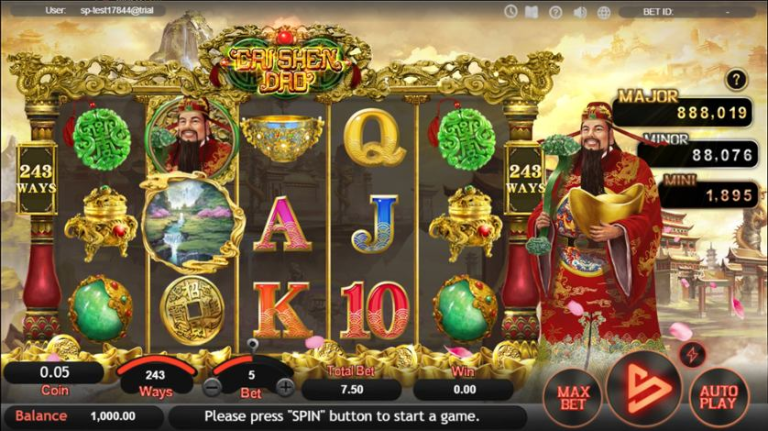
One of the most important elements of slot design is theme selection. Themes give a slot game its identity and help attract specific audiences. Popular themes include adventure, mythology, fantasy, history, and pop culture. A well-designed theme not only captures attention but also enhances the overall experience by creating a cohesive visual and narrative style. Players are more likely to engage with a slot game that resonates with their personal interests.
Graphics and animation are equally crucial in modern slot development. High-definition visuals, smooth animations, and dynamic effects bring the game to life. When players spin the reels, they expect a visually satisfying experience, complete with exciting transitions and detailed symbols. These visual elements make a slot game feel more interactive and enjoyable, even though the underlying mechanics remain simple.
Sound design is another key factor that influences player engagement. Background music, reel spin sounds, and winning effects all contribute to the atmosphere of a slot game. Developers carefully design audio elements to match the theme and enhance emotional responses. For example, upbeat music can create excitement, while subtle sound effects can build anticipation during gameplay.
Bonus features play a significant role in differentiating one slot game from another. Features such as free spins, wild symbols, scatter symbols, and mini-games add variety and excitement. Some slot games include interactive bonus rounds where players make choices that affect outcomes. These features break the monotony of regular spins and provide opportunities for bigger rewards, keeping players engaged for longer periods.
User interface (UI) design is also essential in slot development. A clean and intuitive interface ensures that players can easily understand how to play and navigate the game. Buttons for spinning, adjusting bets, and accessing features should be clearly visible and responsive. A well-designed UI enhances the overall user experience and makes the slot game accessible to both new and experienced players.
Innovation continues to push the boundaries of slot game design. Developers are experimenting with new mechanics such as cascading reels, expanding grids, and multi-level gameplay. These innovations make slot games feel more dynamic and less repetitive. By introducing fresh ideas, developers can keep players interested and encourage them to explore new titles.
Another growing trend in slot design is storytelling. Many modern slot games include narrative elements that unfold as players progress. This approach transforms the game into a journey rather than a series of random spins. Players may unlock new levels, characters, or features as they continue playing, adding depth to the experience.
Balancing complexity and simplicity is a challenge in slot design. While adding features can make a game more exciting, it is important to maintain ease of use. A successful slot game offers enough variety to keep players interested without overwhelming them. Striking this balance is key to long-term player retention.
In conclusion, the design of a slot game is a blend of art, technology, and strategy. From themes and graphics to sound and features, every element is carefully planned to create an engaging experience. As innovation continues to shape the industry, slot games will become even more creative and immersive, ensuring their lasting appeal in the world of digital entertainment.