
Make a table comparing memory foam vs hybrid mattresses
Choosing a mattress is one of the most important decisions for your daily comfort and long-term health. Two of the most popular options today are memory foam and hybrid mattresses. Both promise comfort and support, but they achieve it differently and suit different sleepers. This article (about 1,500 words) breaks down the differences, shows a clear comparison table, and guides you toward the best choice for your sleep style, budget, and needs.
Make a table comparing memory foam vs hybrid mattresses
| Feature / Trait | Memory Foam | Hybrid |
|---|---|---|
| Core construction | All-foam layers (memory foam, base foam) | Foam comfort layers + innerspring pocket coils |
| Feel | Contouring, “sinking-in” hug | Balanced — contour from foam, lift from coils |
| Support | Good spinal alignment, can feel less responsive | Excellent support, better responsiveness and bounce |
| Pressure relief | Excellent (especially for side sleepers) | Very good (depends on foam top layer) |
| Motion isolation | Excellent — minimal partner disturbance | Good to moderate — coils can transmit some motion |
| Temperature regulation | Can retain heat (unless gel/vented) | Generally cooler due to airflow through coils |
| Edge support | Usually weak-medium (unless reinforced) | Stronger edge support (reinforced coils and rails) |
| Durability | Good — depends on foam density | Very good — durable coils + quality foams increase lifespan |
| Noise | Quiet (virtually silent) | May produce slight noise from coils over time |
| Weight | Usually heavy | Often heavier (coils + foam) |
| Ideal for | Side sleepers, people with joint pain, those who want contouring | Combination sleepers, heavier sleepers, those who prefer bounce |
| Motion transfer | Low | Moderate (improved with pocketed coils) |
| Price range | Budget to premium | Mid to premium (often pricier than all-foam) |
| Off-gassing | Possible (new-foam smell) | Possible but often milder (depends on materials) |
| Best for | Pressure relief and motion isolation | Support, bounce, and cooler sleep |
| Trial & warranty | Common—long trials and warranties offered | Common—similar trials and warranties offered |
What is a memory foam mattress?
Memory foam mattresses are built primarily from viscoelastic polyurethane foam. When you lie down, the foam responds to your body heat and pressure, contouring to the shape of your body. This creates a “hugging” sensation that many people find deeply comfortable and supportive.
Key characteristics
- Contouring feel: Excellent at conforming to curves and relieving pressure points (hips, shoulders).
- Motion isolation: Because the foam absorbs movement, you’re less likely to be disturbed by a partner turning or getting up.
- Noise: Memory foam is silent since it contains no springs.
- Temperature: Traditional memory foam can trap heat, though many modern foams use gel infusions, open-cell structures, or cooling covers to mitigate warmth.
- Density matters: Higher-density foams generally last longer and offer cradling support, but can be heavier and sometimes sleep warmer.
Who benefits from memory foam?
- Side sleepers who need pressure relief at shoulders and hips.
- People with joint pain seeking cushioning and pain relief.
- Couples who want minimal motion transfer.
- Those who prefer a “sinking” feel rather than bounce.
What is a hybrid mattress?
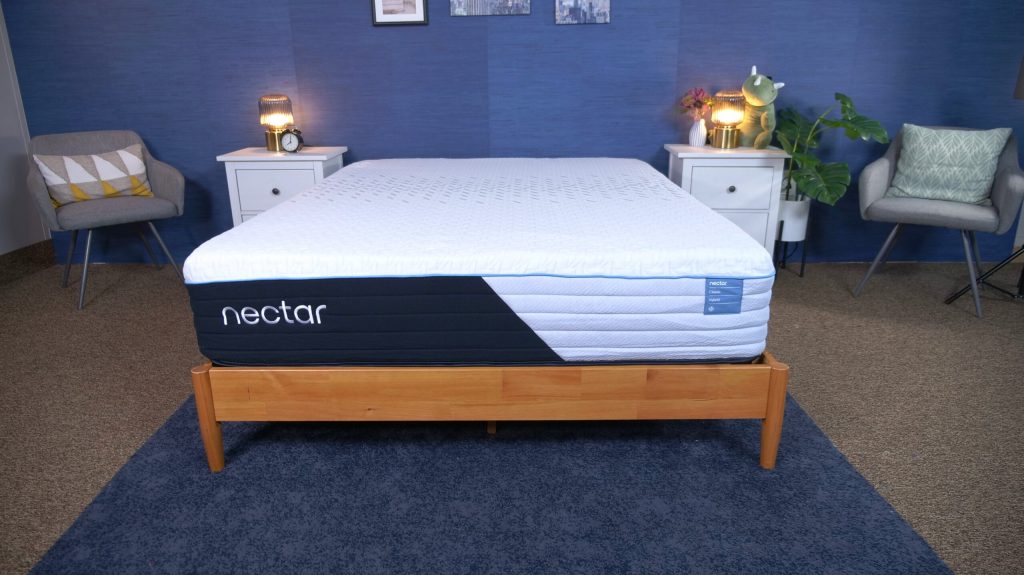
A hybrid mattress combines the contouring comfort of foam with the support and responsiveness of innerspring coils. Typically, a hybrid has several inches of foam (memory, latex, or polyfoam) on top of a pocketed coil system.
Key characteristics
- Balanced feel: Offers the best of both worlds: contouring from foam plus lift and bounce from coils.
- Temperature regulation: Coils allow better airflow, which helps keep the mattress cooler.
- Edge support: Reinforced coil systems often provide superior edge support compared with all-foam designs.
- Responsiveness: Easier to move on — great for combination sleepers who change positions frequently.
- Motion transfer: Pocketed coils help isolate motion better than traditional coils, but hybrids still transmit more movement than pure memory foam.
Who benefits from hybrids?
- Stomach and back sleepers who need loft and support.
- Combination sleepers who require responsiveness for position changes.
- Heavier sleepers who benefit from the added support of coils.
- Couples who want airflow and a bit of bounce without too much motion transfer.
Head-to-head: important buyer factors
1. Pressure relief & pain management
- Memory foam: Excellent. It molds to the body and relieves stress at pressure points.
- Hybrid: Very good. If the comfort layer is thick memory foam, it will also relieve pressure well but usually with slightly less cradling.
2. Support & spinal alignment
- Memory foam: Supports spinal contours well if foam layers are properly designed, but some very soft foams can allow excessive sinkage for heavier sleepers.
- Hybrid: Typically superior for long-term support thanks to the coil core, which helps keep the spine neutral for many body types.
3. Temperature control
- Memory foam: Prone to heat retention unless infused or ventilated.
- Hybrid: Usually cooler due to coil airflow; a better choice for hot sleepers.
4. Motion isolation
- Memory foam: Top performer — ideal for light sleepers who share a bed.
- Hybrid: Good, especially with pocketed coils and thick foam layers, but not as isolating as pure foam.
5. Durability & lifespan
- Memory foam: Long-lasting when using high-density foams; lower-density foams may degrade faster.
- Hybrid: Often more durable because coils retain form and support over time; depends on coil gauge and foam quality.
6. Edge support
- Memory foam: Can feel less stable around the edges.
- Hybrid: Stronger edge support, making it easier to sit or sleep near the mattress perimeter.
7. Motion & sex
- Memory foam: Less bounce (can feel restrictive for sex).
- Hybrid: More responsive and bouncy — often preferred for sexual activity.
8. Price
- Memory foam: Available across all price points; premium memory foam can be pricey.
- Hybrid: Typically mid-to-high price due to coil complexity and combined materials.
9. Allergies & off-gassing
- Memory foam: Off-gassing is common at unpacking but typically fades within days.
- Hybrid: Also possible but often less intense; consider CertiPUR-US or similar certifications for lower VOCs.
Buying tips & what to look for
- Test firmness and feel: If possible, lie on each type in your usual sleep positions for at least 10–15 minutes.
- Check foam density: For memory foam, 4–5 lb/ft³ (pounds per cubic foot) is considered good for durability; higher density = longer life.
- Pocketed coils vs. Bonnell coils: Pocketed coils isolate motion better and are preferred in hybrids.
- Edge reinforcement: Look for reinforced rails if you sit on the bed often or need full-surface sleeping area.
- Trial period & warranty: Brands often offer 100+ night trials and 10-year warranties — read terms, especially about returns and restocking fees.
- Cooling technologies: Gel-infused foam, phase-change covers, or perforated foam help with heat dissipation.
- Certifications: Look for CertiPUR-US (foams), OEKO-TEX, or other non-toxic certifications.
- Consider your partner’s needs: If one partner sleeps hot or moves a lot, hybrid may be better; if motion isolation is critical, memory foam is a top choice.
Which should you pick? Use-case guide
- If you sleep hot: Choose a hybrid (better airflow) or a cooling memory foam variant.
- If you want pressure relief for shoulders and hips: Memory foam is outstanding.
- If you need good edge support and easier movement: Hybrid is likely better.
- If you sleep with a partner and need minimal disturbance: Memory foam wins on motion isolation.
- If you want a bouncy, responsive surface (or better sex experience): Hybrid.
- If you’re on a tight budget: Memory foam offers very affordable options; hybrids are generally pricier.
- If you’re a heavier sleeper (>230 lbs): Prefer a hybrid with sturdy coils or a high-density memory foam designed for heavier weights.
Care, maintenance, and lifespan
- Rotate regularly: Rotate your mattress every 3–6 months to extend life (memory foam sometimes only needs rotating head-to-foot; hybrids benefit from full rotation).
- Use a good foundation: Box springs or platform beds can affect feel and support — check manufacturer recommendations.
- Use a mattress protector: Protects from spills, allergens, and dust mites; especially important for foam that can be harder to clean.
- Spot clean only: Most mattress warranties require spot cleaning and prohibit soaking or machine washing.
Final thoughts
Both memory foam and hybrid mattresses have earned loyal followings because they solve different sleep problems. Memory foam excels at pressure relief and motion isolation; hybrids provide a supportive, breathable, and responsive sleep surface. Your best mattress is the one that matches your body, sleep position, temperature preferences, and budget.
If you’re unsure, try to test both types in-store or pick a brand that offers a generous sleep trial. Many people find hybrids hit a nice “middle ground,” while those with chronic pressure pain or who share a bed with a restless sleeper often prefer memory foam.
Quick FAQ
Q: Can memory foam be too soft?
A: Yes — very low-firmness memory foam can cause excessive sinkage for heavier sleepers. Choose a medium-firm option or higher-density foam for better support.
Q: Do hybrids sleep hotter than memory foam?
A: No — hybrids usually sleep cooler thanks to coil airflow. Traditional memory foam is often warmer unless it has cooling features.
Q: Which lasts longer?
A: A well-built hybrid with quality coils and foam will generally match or exceed the lifespan of many all-foam mattresses, but high-density memory foam mattresses can also be very durable.
Q: Are hybrids noisy?
A: High-quality pocketed coils are quiet, but cheaper coil systems may creak over time.