420 Hookah Tobacco: Flavor Trends, Culture, and Consumer Awareness
The term “420 hookah tobacco” has recently gained attention in the shisha market, blending modern lifestyle branding with traditional hookah culture. While “420” is widely recognized as a symbol associated with cannabis culture, in the context of hookah tobacco it is often used purely as a marketing concept to evoke a relaxed, social vibe. Understanding what 420 hookah tobacco represents can help consumers make informed and responsible choices.
At its core, 420 hookah tobacco is similar to other types of shisha. It is typically made from processed tobacco leaves mixed with molasses or honey, glycerin, and flavoring agents. This mixture creates the thick, aromatic smoke that hookah users enjoy. The “420” label does not necessarily mean the product contains cannabis or THC—in most markets, it does not. Instead, it reflects branding designed to appeal to a younger, trend-focused audience.
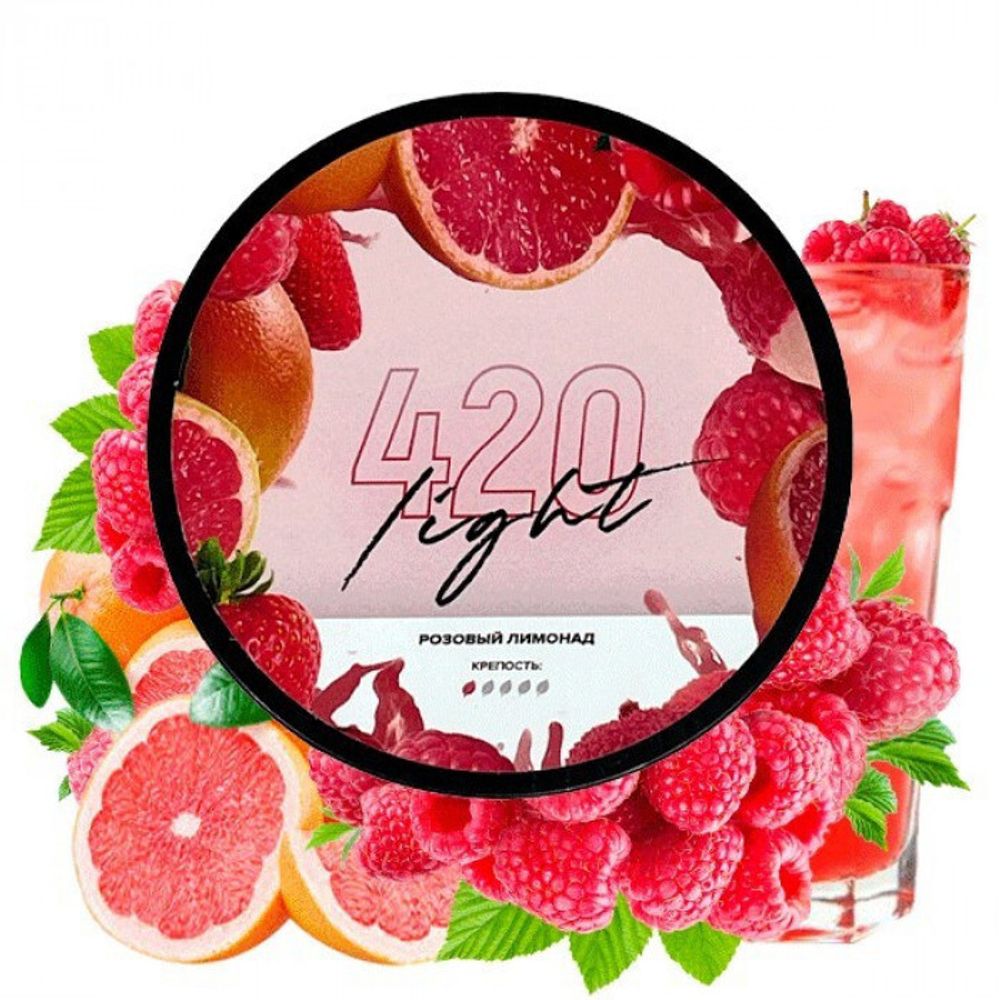
One of the main attractions of 420 hookah tobacco is its flavor innovation. Brands using this theme often introduce bold and unconventional flavor profiles. These may include herbal-inspired blends, sweet fruit combinations, or cooling mint fusions. The goal is to create a unique sensory experience that stands out from traditional flavors like apple or grape. This creative approach has helped expand the appeal of hookah tobacco beyond its traditional user base.
The smoking process for 420 hookah tobacco remains the same as any standard shisha. The tobacco is placed in a bowl, covered with foil or a heat management device, and heated using charcoal. As the user inhales through the hose, the smoke passes through water in the hookah base, cooling it before it reaches the mouth. This smoother sensation is one reason hookah smoking is often perceived as more enjoyable compared to other tobacco products.
However, it’s important to address common misconceptions. The presence of water in a hookah does not eliminate harmful substances. Like all tobacco products, 420 hookah tobacco contains nicotine, which is addictive. Additionally, the use of charcoal produces carbon monoxide and other toxic compounds. A typical hookah session can last much longer than smoking a cigarette, potentially leading to greater exposure to these substances.
The “420” branding can sometimes create confusion, especially among new users who may assume a connection to cannabis. In most cases, this is purely a marketing strategy and does not indicate any psychoactive ingredients. Consumers should always check product labels and purchase from reputable sellers to ensure they understand exactly what they are using.
Social influence plays a significant role in the popularity of 420 hookah tobacco. Hookah smoking is often a group activity, enjoyed in lounges or at gatherings. The themed branding adds a sense of novelty and identity, making it appealing in social settings. This combination of flavor, atmosphere, and branding has contributed to its growing demand in urban markets.
In response to increasing health awareness, some manufacturers have introduced herbal or nicotine-free alternatives under similar branding. These products aim to replicate the flavor and smoke experience without using tobacco. While they may reduce nicotine exposure, they are not completely risk-free, as inhaling any form of smoke can still impact lung health.
In conclusion, 420 hookah tobacco represents a modern twist on traditional shisha, driven by creative branding and diverse flavors. While it offers an engaging and social experience, it is important to approach it with a clear understanding of what it is—and what it is not. Being aware of its composition, potential risks, and marketing influences can help users make informed decisions and enjoy hookah responsibly.